




Posts
Our tips and tricks to get you on track

When drafting partnership and LLC operating agreements, various tax issues must be addressed. This is also true of multi-member LLCs that are treated as partnerships for tax purposes. Here are some critical issues to include in your agreement so your business remains in compliance with federal tax law. Identify and describe guaranteed payments to partners…

Partnerships are often used for business and investment activities. So are multi-member LLCs that are treated as partnerships for tax purposes. A major reason is that these entities offer federal income tax advantages, the most important of which is pass-through taxation. They also must follow some special and sometimes complicated federal income tax rules. Governing…
Your businesses may have a choice between using the cash or accrual method of accounting for tax purposes. The cash method often provides significant tax benefits for those that qualify. However, some businesses may be better off using the accrual method. Therefore, you need to evaluate the tax accounting method for your business to ensure…
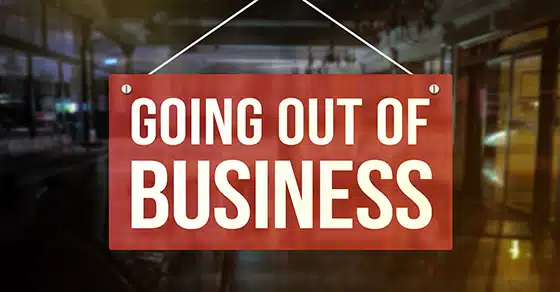
While many facets of the economy have improved this year, the rising cost of living and other economic factors have caused many businesses to close their doors. If this is your situation, we can help you, including taking care of various tax responsibilities. To start with, a business must file a final federal income tax…
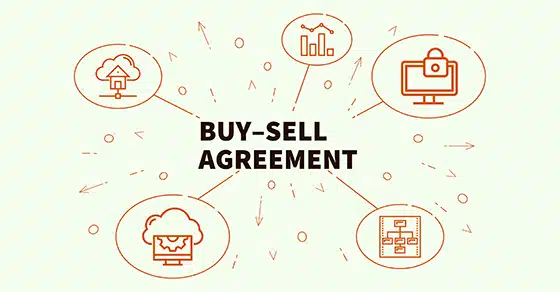
Are you buying a business that will have one or more co-owners? Or do you already own one fitting that description? If so, consider installing a buy-sell agreement. A well-drafted agreement can do these valuable things: Agreement basics There are two basic types of buy-sell agreements: Cross-purchase agreements and redemption agreements (sometimes called liquidation agreements).…

If you’re selling property used in your trade or business, you should understand the tax implications. There are many complex rules that can potentially apply. To simplify this discussion, let’s assume that the property you want to sell is land or depreciable property used in your business, and has been held by you for more…